
Last updated
How Much Does Septic Tank Pumping Cost?
Straight answer: most Hartford homes pay between 150 and 300 dollars for a routine pump-out, based on our day-rate service band. That covers a standard residential tank, reasonable truck access, and no surprises once the lid comes off. Weekend service runs higher, generally 50 to 150 dollars as an add-on premium rather than a separate flat rate, so a Saturday call costs more than the same job on a Tuesday. Tank size drives most of the variation. A 1,000 gallon tank is common for a three or four bedroom house, and pumping frequency depends on household size as much as tank capacity. If your last pump-out was more than five years ago, start with septic pumping service rather than waiting for a backup. Grease-heavy systems and tanks with limited access add cost, which we cover below. For a fuller breakdown of what changes the number, see septic tank pumping cost alongside septic tank cleaning for what the actual service includes.
What Affects Septic Tank Cleaning Prices?
Access is the biggest swing factor. If the truck can park within a short hose-run of the tank, the job goes faster and costs less. If the lid is buried, under a deck, or a long way from the driveway, expect the high end of the day-rate band, sometimes above it for a service fee tied to extra labor. Tank condition matters too: a tank that has never been pumped tends to have thicker solids, which slows the job. Household size affects frequency more than it affects the per-visit price. A residential septic tank is typically pumped every 3 to 5 years, driven by tank size and household size, according to standard field guidance we follow across every Hartford job. Homes running a garbage disposal or a large family through the same system usually need pumping on the shorter end of that window. If you are unsure where your system sits, how often to pump a septic tank covers the signs sooner rather than later. Commercial kitchens are a different animal entirely, covered under grease trap pumping below.
Is a Grease Trap Different From a Septic Tank?
Yes, and the pricing logic differs too. A grease interceptor gets pumped once fats, oils, grease and solids reach 25 percent of the liquid depth, not on a fixed calendar like a residential tank. Restaurants and commercial kitchens in Hartford need this checked more often than a homeowner checks a septic tank, because grease buildup is faster and messier. If you run a kitchen and have never had this measured, ask about a baseline inspection before your interceptor backs up during service hours. See grease trap pumping for how that service is scoped separately from residential septic work. Homes on a septic system with a garbage disposal sometimes see faster grease accumulation in the tank itself, which is one more reason the 3 to 5 year window shifts shorter for heavy-use households. If your system is showing slow drains, gurgling, or a wet patch over the leach field, septic tank warning signs walks through what to check before calling for emergency septic service.
Where Does Hartford Septic Pumping Fit With Other Site Services?
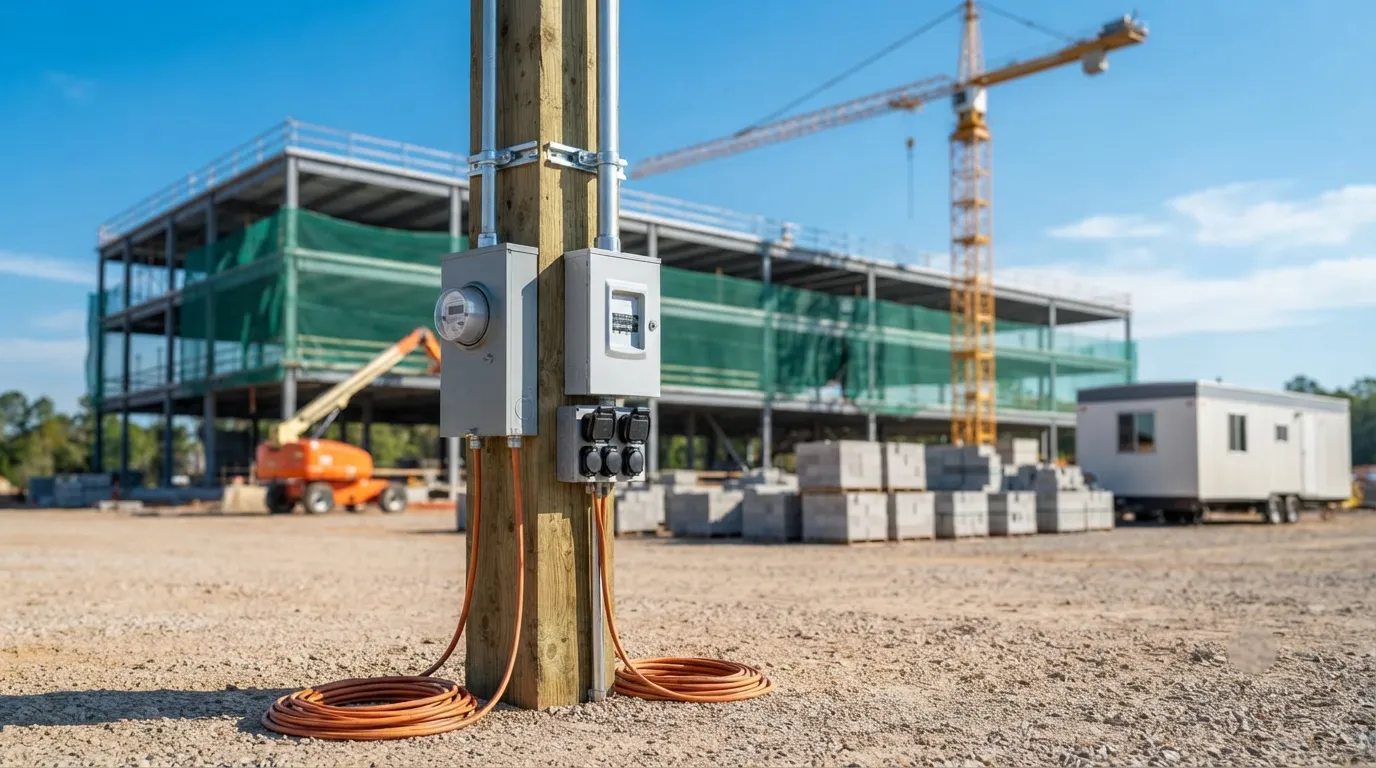
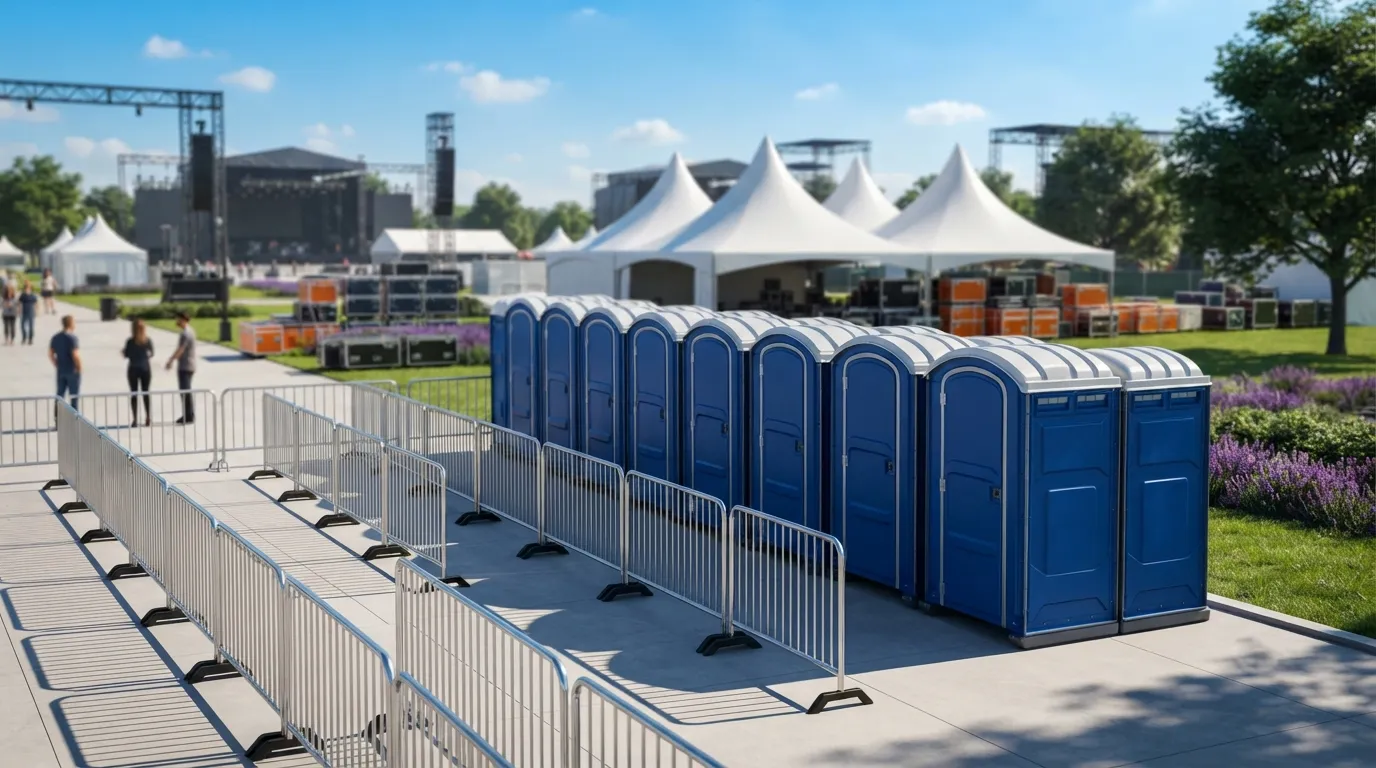
Septic pumping rarely happens alone on a job site. Construction crews building or renovating in Hartford often need a portable toilet on-site while the septic system is offline, and OSHA 1926.51(c) sets the ratio: one toilet for every 20 workers on a crew of 20 or fewer, scaling up from there. If your project sits near Glastonbury, 11.1 miles southeast, or New Britain, 11.7 miles southwest, our trucks already run those routes regularly, so scheduling a same-week pump-out alongside a delivery is straightforward. Renovation jobs that disturb an existing septic line often need a holding tank rental as a bridge, and a porta john rental or two keeps the crew covered without waiting on the main house bathroom. For a broader look at how these services stack on an active job site, construction site services covers delivery windows and combined scheduling. Homeowners doing a renovation without a crew still need a bathroom while the tank is being serviced, which is where home renovation porta potty comes in.
Should I Compare Septic Tank Pumping Cost Near Me Before Booking?
Comparing quotes makes sense, but compare like for like. A quote that only covers a straightforward pump-out with easy access is not the same job as one with a buried lid or a first-time cleaning. Ask what the quote includes before assuming the lowest number wins. Below is the pricing structure we work from for a standard residential job in Hartford.
| Service | Duration | Typical Cost |
|---|---|---|
| Septic pumping | Day rate | 150 - 300 |
| Septic pumping | Weekend add-on | 50 - 150 |
Bristol sits 16.6 miles southwest of Hartford and Meriden is 17.9 miles south, both within our regular service radius, so travel time rarely changes the quote. Middletown, at 20.3 miles south, is still a routine call for us. If your property needs both septic work and a temporary restroom during the job, bundling the visit often saves a second trip charge. For ongoing sanitation needs beyond a one-time pump-out, septic tank cleaning and portable restroom rental are worth reading together before you commit to a date.
How much does it cost to pump a 1,000 gallon septic tank?
A 1,000 gallon tank, the most common residential size in Hartford, typically falls in the 150 to 300 dollar day-rate range for a standard pump-out. Access, tank condition, and whether it is a first-time cleaning can push the price toward the higher end.
How often should I get septic tank cleaning?
Most residential systems need pumping every 3 to 5 years, based on tank size and household size. Larger households or homes with garbage disposals often need service closer to the 3 year mark rather than 5.
Does septic tank pumping cost more on weekends?
Yes. Weekend service typically adds a premium over the standard day rate, generally running 50 to 150 dollars above a weekday call. Booking a weekday appointment is the simpler way to avoid that extra cost.
What is the difference between septic pumping and a grease trap service?
Septic tanks are pumped on a multi-year schedule based on household size. Grease interceptors get pumped based on buildup, once fats, oils, grease and solids hit 25 percent of the liquid depth, which happens much faster in a working kitchen.
Can I get emergency septic service in Hartford?
Yes, when a tank backs up or the leach field floods, emergency service is available outside the standard scheduling window. Check emergency septic service for how quickly a truck can reach your property.
Next step
Get a delivery date
Tell us the address, the dates and the headcount. We size the order and confirm the route.