
Last updated
Where should a porta potty go on a job site?
Pick level, solid ground first. A standard unit runs about 44 by 48 inches on the ground and stands 92 inches tall, so it needs a pad slightly bigger than that footprint plus room for the door to swing fully open. On Hartford job sites we see a lot of gravel and packed fill, both fine, but soft turf after a storm is not. Set the unit within reach of a service truck's hose, usually curbside or along a driveway, because the tech has to pump a 60 to 70 gallon tank on a routine visit without dragging hose across a live work zone. Keep it out of foot traffic lanes and away from electrical panels or trenching. If you are placing units for a crew, check how many porta potties do I need before you lock the layout, since worker count changes both the number of units and where they cluster. For ADA units, the accessible route to the door needs at least 36 inches of clear width under ADA Standards 403.5.1, and the door opening itself has to clear 32 inches per ADA Standards 404.2.3, so do not tuck an accessible unit behind a stack of pallets or a fence post. Our ADA accessible porta potty page covers unit specs if you are speccing a mixed-accessibility site in Hartford.
Do I need a permit to place a porta potty in Hartford?
Placement in the public right of way, meaning sidewalk, curb strip or street parking lane, needs confirming with the City of Hartford before delivery. We are not going to guess at a fee or an ordinance number here, because permit rules and dumpster placement permit costs vary by street and by how long the unit sits. If your unit stays entirely on private property, a driveway, a yard, a fenced construction lot, permitting is usually a non-issue, but right-of-way placement is a different conversation. Same logic applies to a roll-off: a dumpster placement permit is a city matter, not something we can quote blind. Call before delivery day, not after the truck is already on Farmington Avenue. Our porta potty permit requirements page walks through what to ask the city clerk's office when you call, and the same call covers both a portable toilet and a construction dumpster.
How much clearance does a delivery truck need?
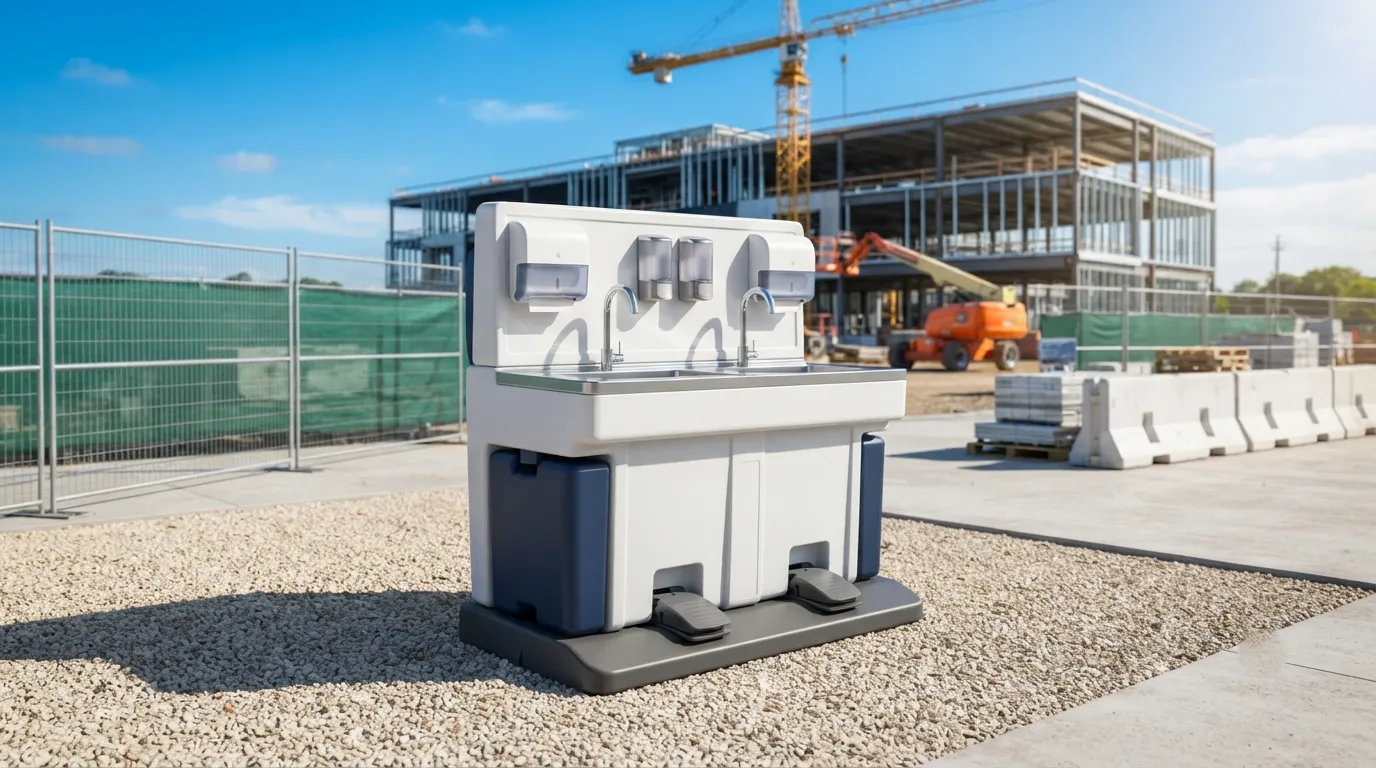
A roll-off delivery needs about 60 feet of straight clearance behind the truck to back in safely, so measure your driveway or lot approach before scheduling. Porta potty delivery trucks need less room but still want a straight shot, not a tight three-point turn between parked cars. If your Hartford site sits on a narrow urban lot, tell us on the phone; we route around obstacles all the time, but the truck still needs a real path in. This matters most for roll-off dumpster rental jobs downtown, where alley access is tighter than a suburban lot in Glastonbury, 11.1 miles southeast of Hartford, or New Britain, 11.7 miles southwest. Storage containers and mobile office trailer rental units need similar clearance, and if a trailer door gets damaged on a tight delivery, mobile office trailer replacement doors are a real cost nobody budgets for, so give the driver room the first time. The same clearance rule applies whether you're renting a 20ft storage container or a full 40ft storage container.
Where do handwashing stations and fencing go relative to the toilets?
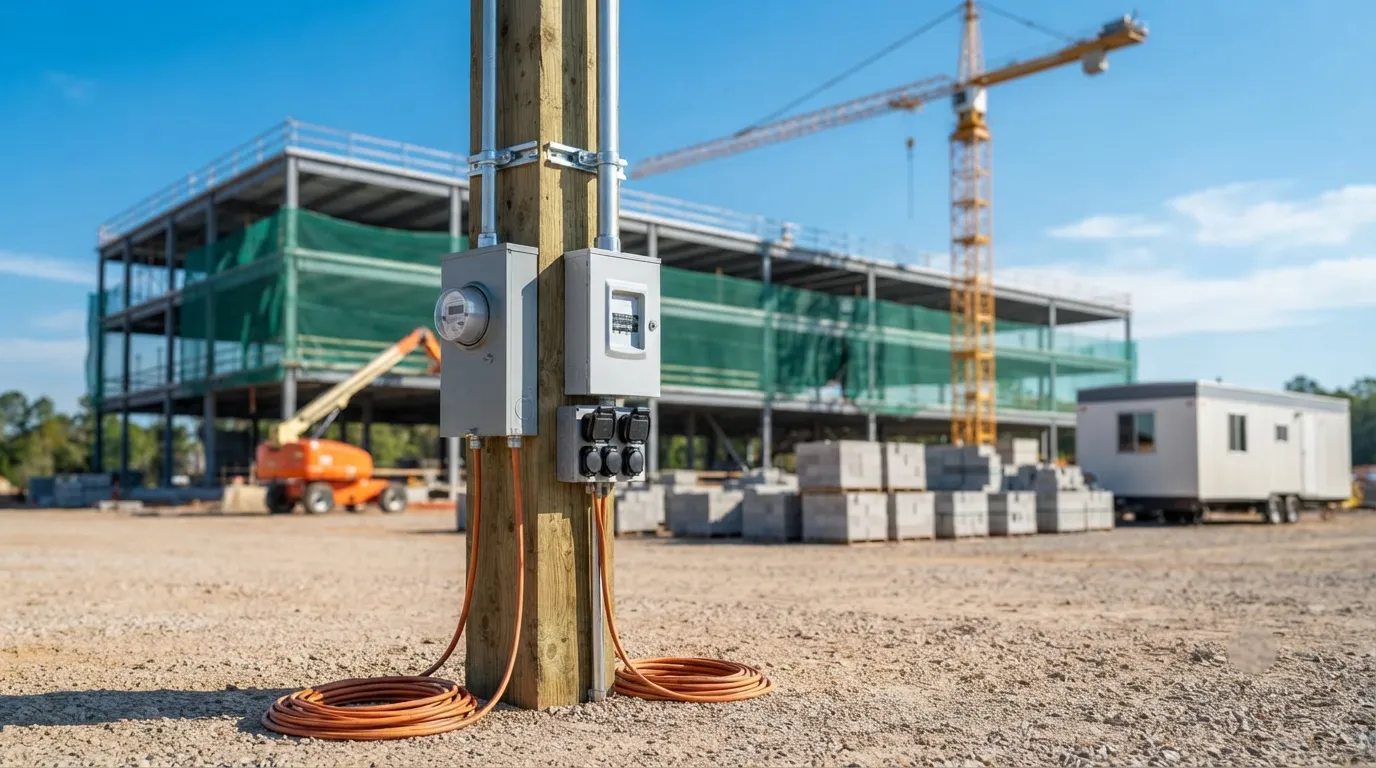
Set handwashing stations next to the toilet cluster, not across the lot, because OSHA 1926.51(c) governs toilet counts and general sanitation and workers won't walk far to wash up between tasks. If your crew is applying paints, coatings, herbicides or insecticides, OSHA 1926.51(f)(1) requires washing facilities specifically for that contaminant exposure, separate from the general sanitation rule. Stations need soap and towels or a hand-drying device under 29 CFR 1910.141(d)(2); hand sanitizer alone does not satisfy that standard, so do not swap one in to save a delivery. If a unit at your site needs parts, Ozark River portable sink replacement parts are a common ask on our portable sink rental line, and we stock what breaks most. Temporary fencing goes around the perimeter, not around the toilets themselves, unless you are running crowd control at an event. Check our temporary fence rental page or chain link temporary fence options if you need to separate a work zone from public sidewalk traffic in Hartford.
How far from a building should a porta potty sit?
Keep it at least a few feet off any structure to preserve door swing and airflow, and never block a fire exit or an ADA route. Placement also needs to respect the 60 inch turning circle required by ADA Standards 304.3.1 near accessible units. See our porta potty rental page for delivery specifics in Hartford.
Can I place a porta potty on grass or dirt?
Yes, if the ground is firm and level; ADA Standards 302.1 calls for stable, slip-resistant surfaces, which matters most for accessible units. Soft or sloped ground after rain is the top reason a unit gets rejected on delivery day, so check the pad before your date.
What is the standard service interval once it's placed?
ANSI/PSAI Z4.3 sets a baseline of one service visit per week for up to 10 users over a 40 hour week. High-traffic events need more frequent visits; ask about your specific headcount when you request a quote.
How do I know if my septic tank needs pumping instead of a rental?
A residential tank is typically pumped every 3 to 5 years depending on tank size and household size. If you're weighing a pump-out against a temporary holding tank rental, our septic pumping service page and how often to pump a septic tank guide both cover the decision, and we handle everything from routine calls to a Placerville septic pumping service style emergency dispatch.
Does a construction site need an accessible unit in every cluster?
Yes. ADA Standards 213.2 requires at least 5 percent of clustered single-user units to be accessible, and never fewer than one, so a small cluster still needs one ADA unit. Pair that with construction site services planning early so it's not an afterthought at inspection time.
Next step
Get a delivery date
Tell us the address, the dates and the headcount. We size the order and confirm the route.